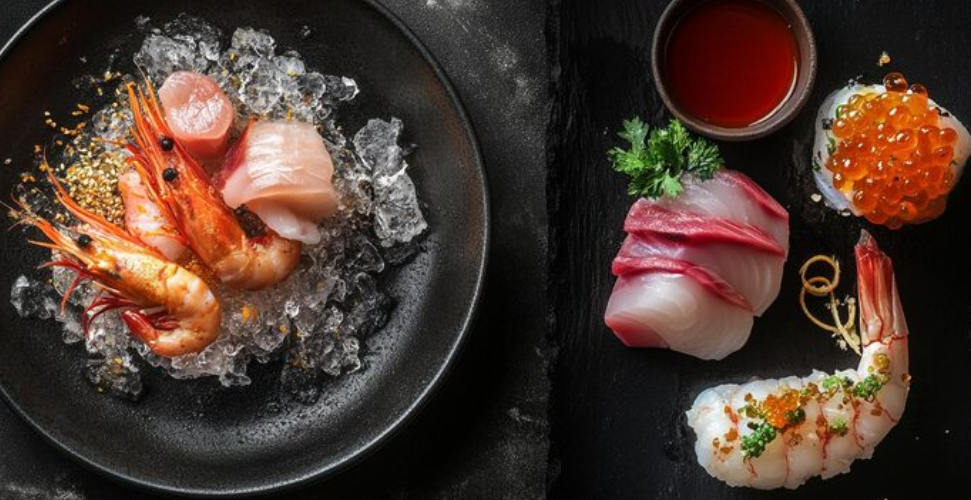
Pan-Asian fusion isn’t about tossing random ingredients together and hoping for the best. It’s a craft. Chefs start with the soul of regional cuisines and then use modern methods to refine texture, balance heat, and heighten aroma. The result feels both familiar and new at the same time, which is exactly why it works on a weeknight dinner or a special occasion.
Start with the core: balance
Traditional Asian cuisines prize balance. Sweet, salty, sour, bitter, and umami are adjusted like sliders on a soundboard. Fusion keeps that rule. A citrusy dressing wakes up fatty cuts. A touch of palm sugar softens chili heat. A splash of rice vinegar sharpens roasted flavors. When the balance is right, a dish tastes complete without piling on salt or heavy sauces.
Technique is the bridge
Modern kitchens bring tools that lift classic flavors without replacing them.
- Sous vide for precision: Proteins cook to the exact tenderness you want. A quick sear in a carbon steel pan locks in aromatics like ginger and garlic without overcooking the center.
- Char and smoke control: A small torch or a hot grill can add kiss-of-smoke depth to noodles, glazes, or skewers. That hint of char makes sweet notes pop.
- Emulsions and gels: Light emulsions carry chili and citrus evenly over a salad or seafood platter. Agar or gelatin can set a clear broth jelly that melts back into a warm dish at the table. Playful, but purposeful.
Ingredients that travel well
Fusion respects origin while exploring neighbors on the pantry shelf.
- Aromatics: Lemongrass, kaffir lime leaf, scallion, and shiso brighten rich sauces without masking them.
- Ferments: Miso, fish sauce, gochujang, and soy all bring layered umami. Used with restraint, they read as depth rather than dominance.
- Textures: Crisp shallots, toasted sesame, crushed peanuts, and puffed rice give contrast to silky soups and soft noodles.
Flavor layering in practice
Think of a simple grilled fish. Start with a marinade of ginger, lime, and light soy. Cook gently, then finish with a brush of honey and chili. Add a salad of herbs, cucumber, and pickled onion. The plate reads clean and modern, yet every piece comes from traditional ideas: quick marinades, fresh herbs, bright acids, a little heat, and a touch of sweetness.
Vegetables at center stage
Pan-Asian fusion is a gift for plant-forward cooking.
- Charred greens with sesame and citrus: High heat brings smoky notes while a sesame-citrus dressing adds perfume and snap.
- Mushroom medleys: A mix of oyster, shiitake, and enoki gives varying chew and aroma. A splash of soy and rice wine concentrates savoriness without heaviness.
- Cold noodle bowls: Chewy wheat or rice noodles carry crunchy veg, herbs, and nutty dressings. Easy to customize, easy to love.
Plating as storytelling
Presentation matters, but it should feel relaxed. Use negative space on the plate so colors and textures stand out. Stack components loosely rather than hiding them under a sauce. Finish with micro herbs or a sprinkle of toasted seeds. The goal is clarity. Diners see what they are about to taste, then taste what they expected, only brighter.
A few pairing cues
- Tea: Jasmine or oolong pairs with delicate seafood and salads.
- Crisp whites or light reds: Look for acidity to cut through fat and lift spice.
- Zero-proof options: Sparkling yuzu, ginger tonics, or chilled herbal infusions add celebration without weight.
Cook with intention, not complication
The most successful fusion dishes are the simplest on paper. Choose one or two traditional anchors. Add one modern twist. Keep seasoning light and adjustable at the table with lime wedges, chili oil, or herb salts. Let texture and aroma do the heavy lifting.
Pan-Asian fusion works because it respects the wisdom of tradition while inviting curiosity. Techniques make flavors precise. Ingredients meet in interesting ways without losing their identity. When you get that balance right, every bite feels fresh, and every plate tells a story you actually want to hear again.
This post was written by a professional at Fortu. Fortu stands out among the top Restaurants St Petersburg FL, offering an elevated Pan-Asian dining experience in the heart of St. Petersburg, Florida. Celebrating Asia’s vibrant and diverse culture, Fortu introduces bright and bold flavors to a bright and bold city with a menu of locally and sustainably sourced options, from small bites to hearty delicacies. Whether winding down from a beach day or celebrating a special occasion, guests can enjoy a lush, alluring atmosphere and an authentic taste of Asia’s divine cuisine at one of the finest Asian Restaurant St Pete.
 Nibblish
Leave a comment