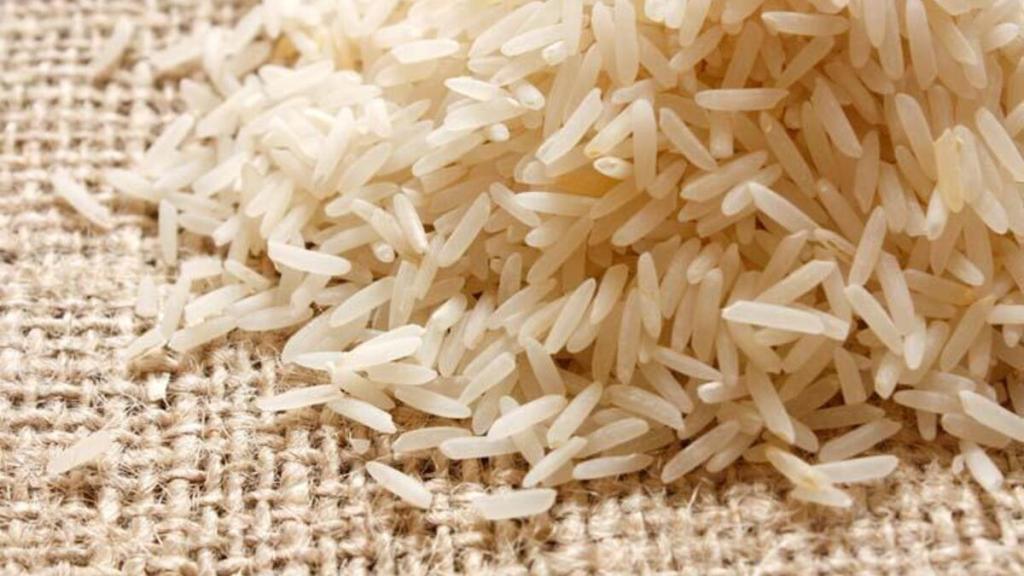
Australian low GI rice arrived in Singapore as something of a revelation for health-conscious consumers caught between medical advice to reduce rice consumption and cultural reluctance to abandon a grain so fundamental to Asian identity, offering the tantalising promise that one might have one’s congee and eat it too, metabolically speaking. This peculiar product, cultivated in the irrigated plains of New South Wales through selective breeding programmes, represents Australian ingenuity applied to a problem primarily afflicting Asian populations, creating a cross-cultural solution to the diabetes epidemic shadowing prosperity throughout the region.
The Science Behind Low GI Properties
The mechanics of Australian low GI rice involve molecular architecture rather than mystical properties. Australian rice researchers identified genetic variations producing higher amylose-to-amylopectin ratios within the starch granules, then bred these characteristics into commercially viable cultivars. Amylose, the linear starch molecule, resists enzymatic breakdown during digestion far more stubbornly than amylopectin, the branched molecule comprising most of conventional rice starch.
This resistance translates directly to glycaemic response. Where standard white rice floods the bloodstream with glucose within 30-45 minutes, Australian low GI rice releases sugar gradually across several hours, avoiding blood glucose spikes that stress insulin response systems. The glycaemic index ratings for these varieties typically fall between 54 and 58, comfortably within the low GI category.
Nutritional Profile and Health Benefits
australian low gi rice provides more than merely moderated glucose response, though that alone justifies its consideration.
Macronutrient Composition
The basic nutritional facts resemble conventional white rice:
- Approximately 360-370 calories per 100 grams uncooked
- 7-8 grams protein per 100 grams
- Minimal fat content, typically under 1 gram
- 78-80 grams carbohydrates per 100 grams
- 1-2 grams fibre in white varieties
The crucial difference emerges in how the body processes the carbohydrates, with higher amylose content dramatically affecting metabolic response.
Diabetes Management
For individuals managing type 2 diabetes or pre-diabetes, Australian low GI rice offers meaningful advantages. The moderated glucose release reduces insulin demand, potentially improving long-term glycaemic control. Studies examining low GI diets demonstrate improvements in HbA1c levels, the marker reflecting average blood sugar over months.
Singapore’s diabetes prevalence, hovering near 15% amongst adults, makes this particularly relevant, as the disease disproportionately affects Asian populations.
Weight Management Support
The sustained energy release from Australian low GI rice promotes satiety more effectively than high GI alternatives. This fuller-longer effect potentially reduces overall caloric intake by preventing hunger rebounds that drive snacking between meals.
Cardiovascular Implications
Research links low GI diets to improved lipid profiles, including reduced triglycerides and increased HDL cholesterol. The mechanisms likely involve complex interactions between glucose metabolism, insulin sensitivity, and lipid synthesis pathways.
Culinary Characteristics
The practical question confronting anyone considering low GI rice from Australia involves how it performs in actual cooking and eating.
Texture and Flavour
These varieties maintain surprising similarity to conventional medium-grain white rice. The grains cook to tender consistency without mushiness, separate reasonably well, and exhibit mild, neutral flavour that accommodates diverse cuisines. This represents conscious breeding achievement, as early low GI rice varieties often suffered textural defects.
Cooking Requirements
Australian low GI rice cooks using standard methods with minor adjustments. Rice cookers perform excellently, though water ratios may require slight modification. Most varieties benefit from a 1:1.5 rice-to-water ratio.
Stovetop preparation follows familiar patterns: rinse thoroughly, bring water to boil, add rice, reduce heat, cover, and simmer for approximately 15-18 minutes. Allow cooked rice to rest covered for 10 minutes before fluffing.
Where to Purchase in Singapore
Locating Australian low GI rice requires knowing which retailers prioritise health-focused products.
Supermarket Availability
Major supermarket chains increasingly stock low GI rice varieties, typically positioned in either the specialty rice section or health food aisles. Look for products explicitly labelled with GI ratings or health claims. Availability varies by outlet, with larger stores maintaining more comprehensive selections.
Health Food Stores
Specialty retailers focusing on organic and health-conscious products reliably carry multiple Australian low GI rice options. Staff knowledge at these establishments typically exceeds mainstream supermarkets, providing access to cooking guidance and product comparisons.
Online Platforms
E-commerce websites offer convenience and access to varieties unavailable through physical retail. Online shopping enables price comparison across sellers and access to customer reviews. Verify seller ratings and return policies before ordering.
Wholesale Suppliers
Restaurants, catering operations, or households consuming substantial rice quantities might approach wholesale distributors directly. Bulk purchasing delivers significant per-kilogram savings, though it requires adequate storage capacity.
Cost Considerations
Australian low GI rice commands premium pricing relative to conventional varieties, typically 40-60% more expensive. This reflects smaller production volumes, specialised breeding programmes, Australian labour costs, and import expenses.
For individuals managing diabetes or pre-diabetes, the additional cost represents health insurance rather than discretionary spending. The question becomes whether the metabolic benefits justify the premium, a calculation varying by individual circumstances and health status.
Making the Transition
Switching from conventional to australian low gi rice involves minimal adjustment beyond accepting slightly higher grocery bills. The cooking methods remain familiar, the taste proves acceptable, and the texture accommodates traditional Asian dishes reasonably well. Some households adopt hybrid approaches, using low GI varieties for certain meals whilst retaining conventional rice for special occasions.
The proliferation of health-focused rice varieties reflects both scientific progress in understanding nutrition and growing consumer sophistication in selecting foods based on metabolic effects rather than merely taste and tradition, making these products valuable tools for individuals seeking to preserve cultural food practices whilst adapting to contemporary health challenges, positioning Australian low GI rice as a practical bridge between heritage and wellness.
 Nibblish
Leave a comment